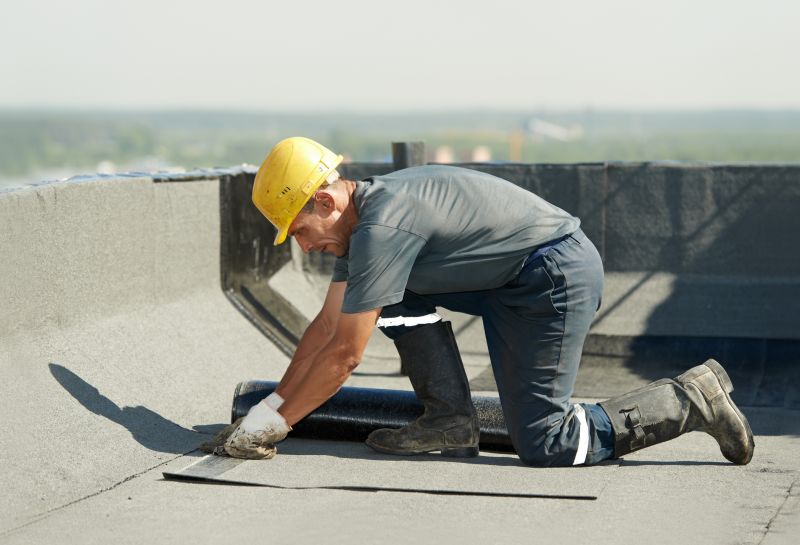

Cost of Vapor Barrier Installation in Milwaukee, WI
Vapor barrier installation costs in Milwaukee, WI, can vary based on several factors including the size of the area, the type of materials used, and site-specific conditions. Typically, expenses are influenced by the scope of the project, labor requirements, and the complexity of the installation process. It is important to consider that final pricing may differ depending on these variables, making it advisable to obtain multiple estimates for comparison.
When evaluating vapor barrier options, it is helpful to understand that prices are affected by material choices, the extent of preparation needed, and the specific characteristics of the installation site. Since costs can fluctuate based on these aspects, reviewing detailed quotes that outline scope and materials can assist in making informed decisions tailored to individual project needs in Milwaukee, WI.
Price Range Overview
Key Cost Factors
Vapor barrier installation is a common step in residential and commercial projects in Milwaukee, WI, aimed at controlling moisture and improving indoor air quality. Understanding the typical scope, materials, and requirements can help in planning and comparing options for this service.
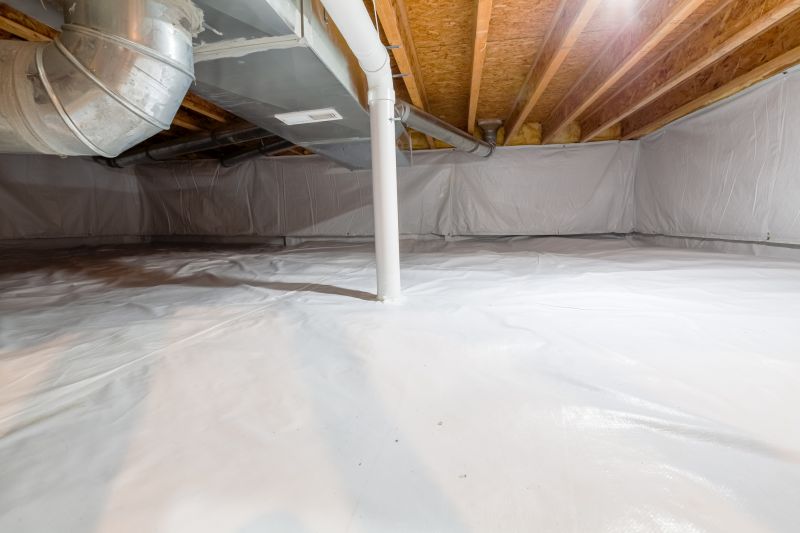
- Materials: Common vapor barrier materials include polyethylene sheets, typically 6-mil to 10-mil thick, suitable for basement and crawl space applications in Milwaukee's climate.
- Size and Scope: Installation areas can range from small crawl spaces to large basement floors, with coverage determined by the project’s dimensions and specific moisture control needs.
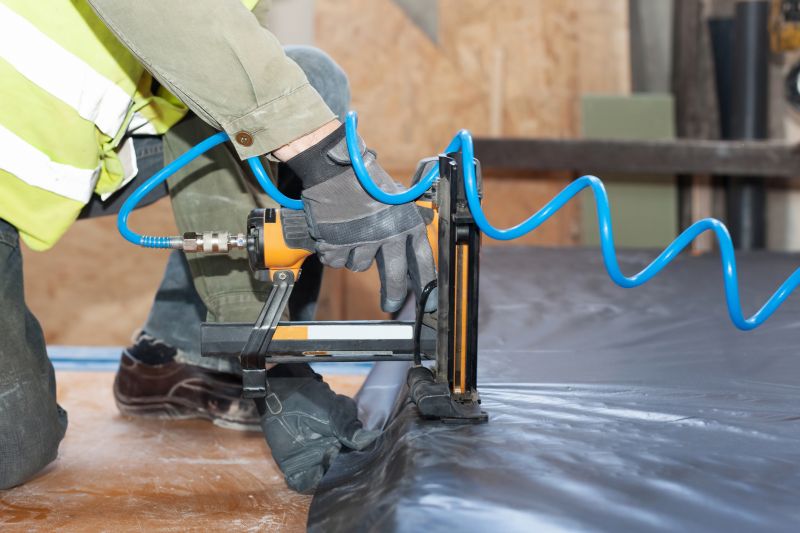
- Labor Complexity: The process involves preparing the surface, laying out the barrier, and sealing seams, which generally requires moderate effort and attention to detail to ensure proper moisture protection.
- Permitting: Local building codes in Milwaukee may require permits for vapor barrier installation, especially in new construction or major renovations, to ensure compliance with moisture management standards.
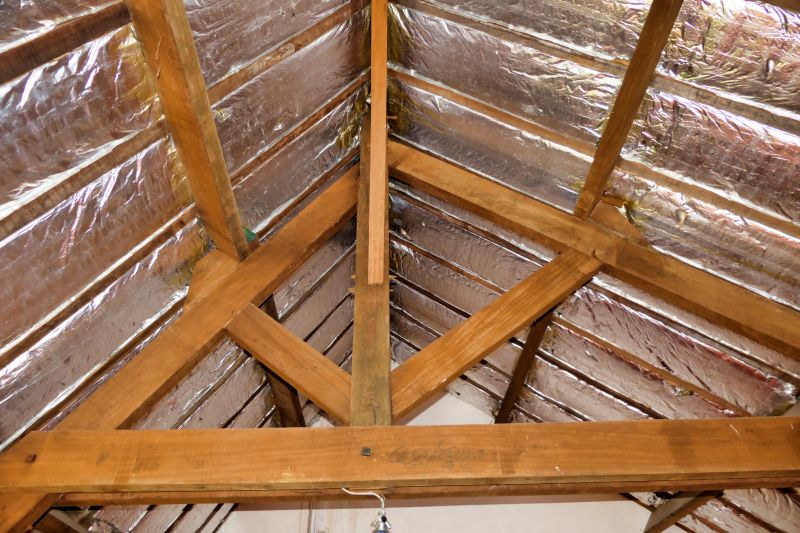
- Extras: Additional considerations may include sealing vents, installing drainage mats, or incorporating insulation, depending on project requirements and site conditions.